A tangy, roasted pork chile verde that tastes like it simmered for four hours — because pressure cooking does in 25 minutes what a stovetop needs 180 minutes to accomplish.

Authentic Global Recipes & International Cooking Guides
Authentic Global Recipes & International Cooking Guides





A tangy, roasted pork chile verde that tastes like it simmered for four hours — because pressure cooking does in 25 minutes what a stovetop needs 180 minutes to accomplish.

A pound of unsoaked pinto or black beans goes from pantry to a thick, smoky bowl of chili in about 90 minutes — no overnight soak, no cans, and no lectin risk if you follow the pressure and release times below.
Ground beef, bloomed chile powder, and a masa-harina slurry deliver the depth of a three-hour stovetop simmer in about 50 minutes flat — no scorched pot bottom, no babysitting.
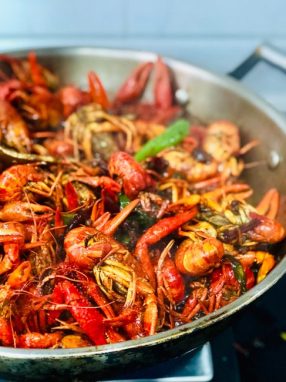
Cajun is rural, one-pot, dark-roux country cooking from the bayous. Creole is urban, layered, sauce-driven restaurant cooking from New Orleans. Same state, same trinity, two entirely different kitchens.

A deltawide field guide to the two kitchens of south Louisiana — what separates them, which dishes prove a cook knows the tradition, and how to judge a restaurant before you sit down.
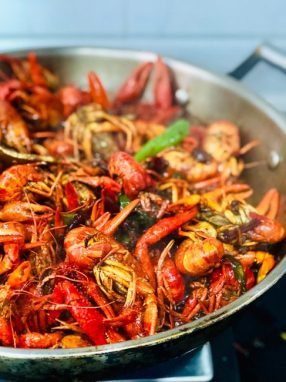
They share a holy trinity, a roux, and a postal code. They do not share a history, a technique, or a flavor architecture. Here is how to tell them apart in a bowl, on a menu, and in the pot.
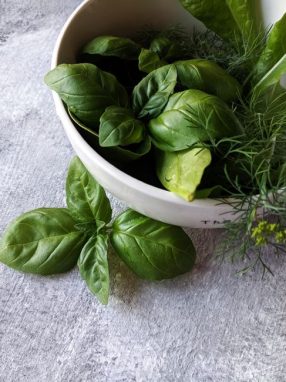
Soft herbs turn to black slime and woody ones go hay-dry when they hit the freezer wrong. Here are the five techniques professional kitchens rely on — with exact temperatures, blanch times, and ratios.
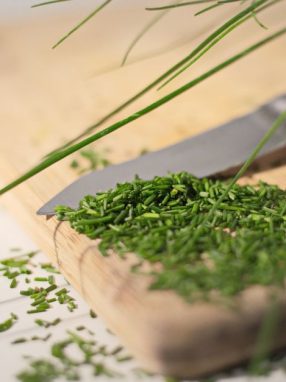
A stem-by-stem system for cut basil, cilantro, rosemary and everything between — with the temperatures, timings and containers that actually keep flavor compounds intact.

Basil that blackens by Tuesday and cilantro that turns to slime by Thursday are not inevitable. They are the result of two fixable mistakes — too much surface water and the wrong temperature. Here is the sorting, trimming, and packaging routine professional kitchens use.
More than 30 oils line the average supermarket aisle — but they sort into four functional families. This is the full list, with extraction grades, smoke points, fat ratios, and which bottle belongs in the pan versus on the plate.