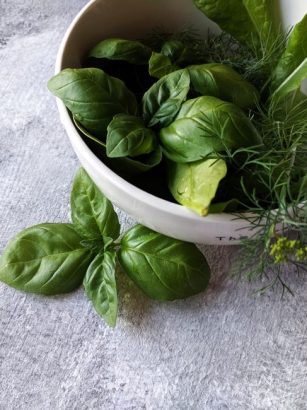
Soft herbs turn to black slime and woody ones go hay-dry when they hit the freezer wrong. Here are the five techniques professional kitchens rely on — with exact temperatures, blanch times, and ratios.

Authentic Global Recipes & International Cooking Guides
Authentic Global Recipes & International Cooking Guides
Soft herbs turn to black slime and woody ones go hay-dry when they hit the freezer wrong. Here are the five techniques professional kitchens rely on — with exact temperatures, blanch times, and ratios.
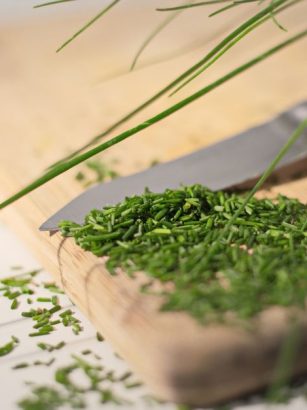
A stem-by-stem system for cut basil, cilantro, rosemary and everything between — with the temperatures, timings and containers that actually keep flavor compounds intact.
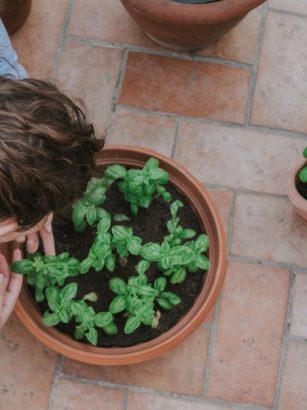
Basil that blackens by Tuesday and cilantro that turns to slime by Thursday are not inevitable. They are the result of two fixable mistakes — too much surface water and the wrong temperature. Here is the sorting, trimming, and packaging routine professional kitchens use.
More than 30 oils line the average supermarket aisle — but they sort into four functional families. This is the full list, with extraction grades, smoke points, fat ratios, and which bottle belongs in the pan versus on the plate.
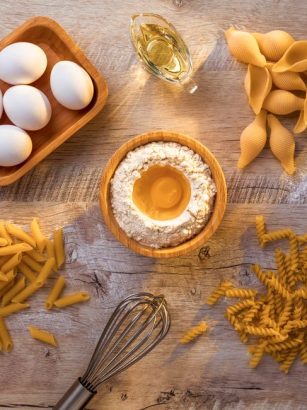
Smoke points, extraction methods, and fatty-acid ratios decide everything — whether an oil sears a steak at 500°F or disappears into a vinaigrette. Here’s the full map, oil by oil.
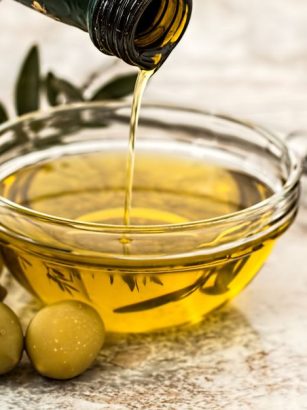
A 1:1 swap works for almost everything in a home kitchen — except the fryer. Here’s what actually changes in flavor, smoke point, and cost, with the temperatures that matter.
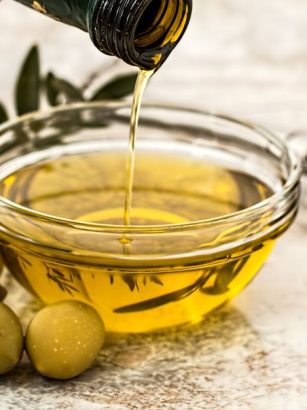
Extra virgin olive oil does three jobs in a vinaigrette — it carries fat, it delivers flavor, and it builds body. Here are eight substitutes that cover each job, with exact ratios, blending percentages, and the storage pitfalls nobody warns you about.
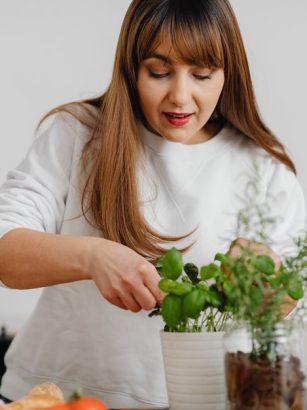
A $3 bunch of parsley has roughly four usable days in a plastic bag — and roughly six months of life if you route it to the right storage method within the first hour. The difference is not effort. It is chemistry.

Soft herbs and woody herbs spoil for opposite reasons — treat them the same and one of them always turns to slime. Here’s the exact temperature, moisture and packaging routine for each.

Master the one knife skill that turns a spiky, intimidating fruit into clean, juicy cubes. This vertical-panel method keeps the sweetest flesh, removes the woody core cleanly, and works for rings, spears, and chunks alike.