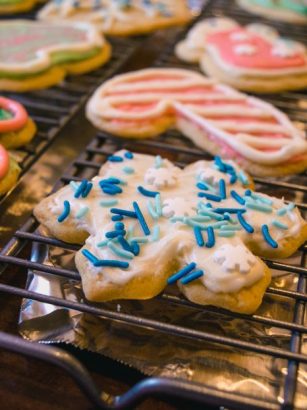
A weight-based sugar cookie recipe built on 227 g butter, a two-hour chill, and a 350°F oven — the dough that holds a razor-sharp cutter edge and still tastes like vanilla and browned butter instead of sweet cardboard.

Authentic Global Recipes & International Cooking Guides
Authentic Global Recipes & International Cooking Guides
A weight-based sugar cookie recipe built on 227 g butter, a two-hour chill, and a 350°F oven — the dough that holds a razor-sharp cutter edge and still tastes like vanilla and browned butter instead of sweet cardboard.
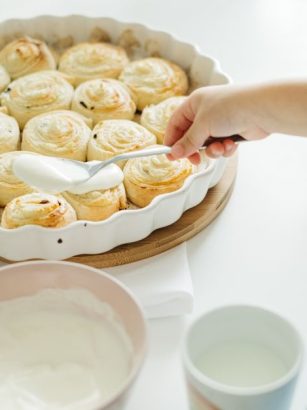
A test-kitchen master method for enriched spiral dough that stays pillowy for two days, with exact hydration, butter temperature, and internal doneness numbers instead of guesswork.
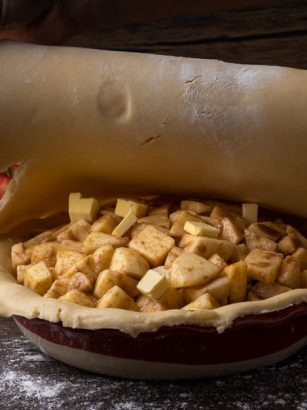
A double-crust apple pie engineered around two numbers that decide everything: 200°F for a filling that sets instead of runs, and a four-hour rest before the first slice.
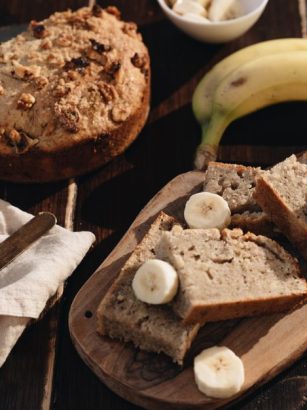
The crust browns 25 minutes before the center sets, so your eyes will betray you every time. Here’s the temperature, the crumb cue, and the 10-minute rest that separate a sliceable loaf from a gummy one.
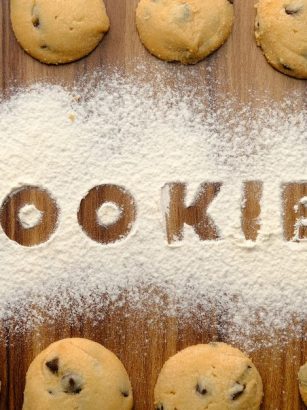
Chemical leaveners do three jobs in a cookie — lift, spread, and browning — but they do not hold the cookie together. Here is what actually happens when you leave them out, plus the swaps that keep a batch from turning into a hockey puck.

A crater in the center of a cake is almost never bad luck. It is a temperature, timing, or ratio signal — and once you read it correctly, you can fix it on the very next bake.
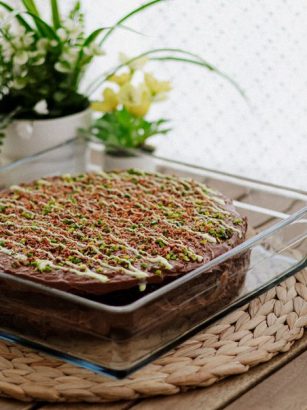
A weight-based, two-layer chocolate cake built on bloomed cocoa, buttermilk, and oil — engineered so the crumb stays tender at 24 hours and the tops bake flat without trimming.
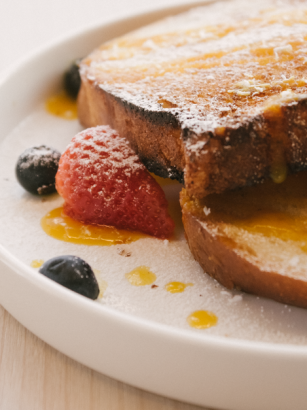
A four-ingredient custard soak, day-old bread, and a griddle held at 170°C — that’s the entire difference between golden, custardy French toast and a plate of sweet scrambled bread.
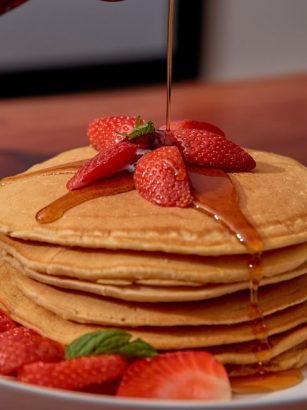
No boxed mix, no guesswork. This is the technique-driven method professional breakfast cooks use — built on a single flour-to-liquid ratio, a 10-minute rest, and a surface temperature you can actually measure.
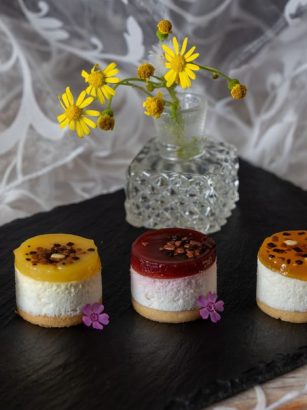
A 9-inch New York–style cheesecake with a buttery graham crust, a dense-but-silky custard center, and a surface that never cracks — built on exact temperatures, one critical mixing rule, and a water bath that does the hard work for you.