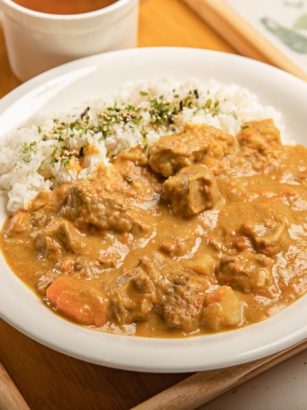
Ask ten Japanese home cooks and you will get ten answers — honey, grated apple, a spoonful of instant coffee, a last-minute pinch of garam masala. Here is what the roux blocks, the company archives, and a century of naval tradition actually say.

Authentic Global Recipes & International Cooking Guides
Authentic Global Recipes & International Cooking Guides
Ask ten Japanese home cooks and you will get ten answers — honey, grated apple, a spoonful of instant coffee, a last-minute pinch of garam masala. Here is what the roux blocks, the company archives, and a century of naval tradition actually say.
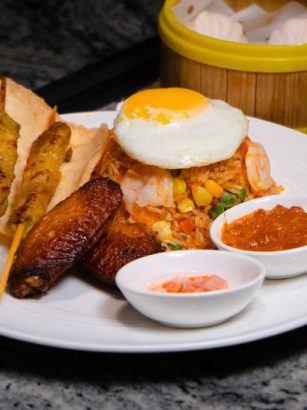
Mushy fried rice is almost never a seasoning problem. It’s a moisture and starch problem — and every step below exists to remove water from the equation before the rice ever touches a hot wok.
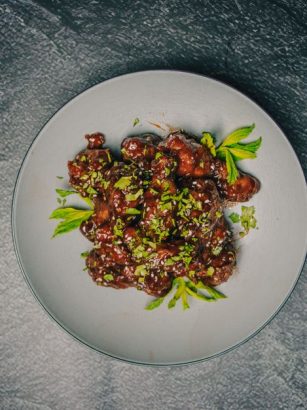
A double-fried, cornstarch-crusted version of the Hunan–Taiwanese restaurant classic — with the exact sugar-to-vinegar ratio that makes the sauce cling to the chicken instead of pooling at the bottom of the bowl.
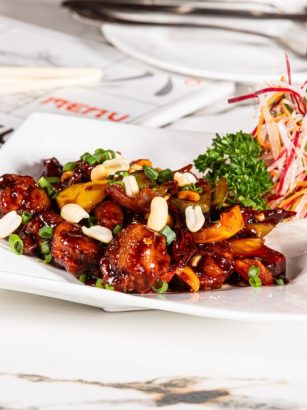
Gong bao ji ding done properly: dried chilies bloomed in hot oil, whole Sichuan peppercorns, and a lychee-flavored sauce that clings to the chicken instead of pooling at the bottom of the plate.
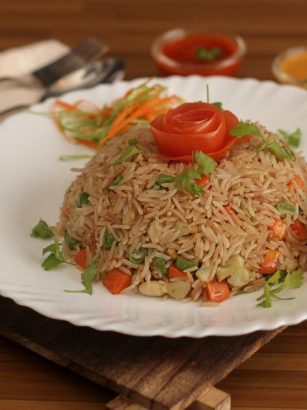
Every great fried rice comes down to four variables: how dry the rice is, how hot the pan is, how much liquid you add, and how long you keep tossing. Get those right and even a home skillet can produce grains that are separate, glossy, and faintly smoky.
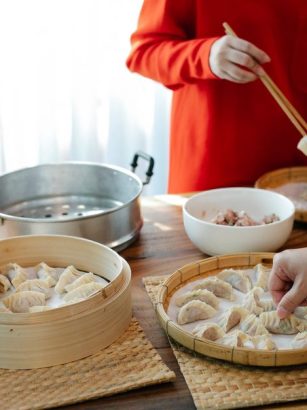
You don’t need a 30,000 BTU burner or a restaurant pantry. You need eight bottles, a hot pan, and the right order of operations. Here’s how takeout classics actually get made.