A keto breakfast is not a diet food — it is a fat-forward, protein-anchored plate that lands under 6 g of net carbs. Here is the exact skillet method, the macro math, and a field guide to ordering one at any diner, drive-thru, or brunch counter within a five-mile radius of wherever you woke up.
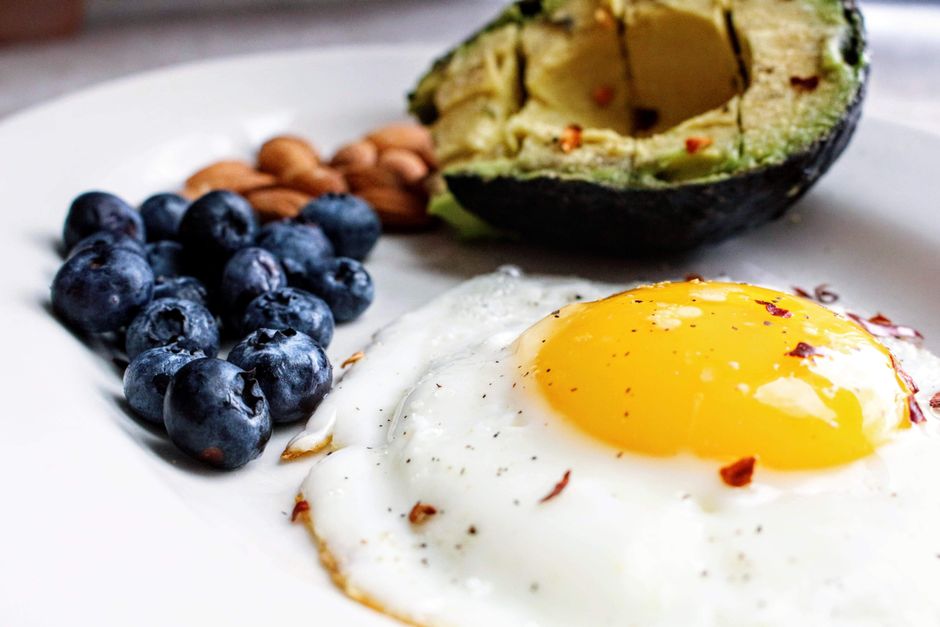
A restaurant-ready keto breakfast is three large eggs cooked in 1 tbsp butter, 2 slices of bacon or 2 oz cooked sausage, 1 oz sharp cheddar, half an avocado, and a cup of wilted spinach — roughly 640 calories, 52 g fat, 28 g protein, and 4.6 g net carbs. Make it at home in one 10-inch skillet in 12 minutes; order it out by asking for eggs cooked in butter, a fatty protein, avocado, and cheese, then refusing the toast, potatoes, hash browns, and fruit cup that arrive by default.
- Why “Keto Breakfast Near Me” Almost Always Means the Same Plate
- Ingredient Selection and the Actual Macro Math
- Prep, Equipment, and the 12-Minute Timeline
- Master Method: The One-Skillet Keto Breakfast
- Key Ratios, Temperatures, and Safe Minimums
- Keto Breakfast Near Me: How to Order Without Breaking Ketosis
- Common Mistakes and Troubleshooting
- Pairing, Storage, and Make-Ahead Notes
- Frequently Asked Questions
Why “Keto Breakfast Near Me” Almost Always Means the Same Plate
Search that phrase and you are not really looking for a restaurant. You are looking for permission to eat the breakfast you already want: eggs, cured pork, cheese, something green, something fatty. The American diner breakfast — two eggs, a pork product, a starch vehicle, and coffee — is already 80 percent keto. The carbohydrate is the only thing standing between the plate and a ketogenic macro split, and the carbohydrate is always the thing the kitchen gives away for free.
Mid-century American breakfast menus standardized around eggs, griddle breads, potatoes, and a cured pork product because all four were inexpensive, fast, and shelf-stable in a commercial kitchen. The starch existed to stretch a $0.60 protein portion into a $2.50 plate. That economic logic is why toast and hash browns arrive unrequested — and why a keto order at 7:40 a.m. requires you to actively subtract rather than add.
Other breakfast cultures arrive at low-carb plates by accident. Levantine breakfasts lead with labneh, olives, and eggs; Mexican breakfasts lean on eggs, cheese, and nopales before tortillas appear; Japanese asa-gohan pairs natto and grilled fish with rice on the side. In each case the fat-and-protein core is already there — the grain is the optional layer.
The practical takeaway: a keto breakfast is a subtraction exercise, not an invention. Remove the starch, keep the fat, and check the net carb number rather than the calorie number. A standard diner plate with the potatoes and toast removed and avocado added lands at roughly 5 g net carbs. The same plate intact lands at 60 g or more.
“Nobody orders a keto breakfast because they want to eat less. They order it because they want the eggs, the bacon, and the hollandaise — and they have finally stopped apologizing for it.”
— WorldDishly test kitchen notes, batch 41
What counts as a keto macro split
Clinical and popular definitions of a ketogenic diet converge on roughly 70–75 percent of calories from fat, 20–25 percent from protein, and 5–10 percent from carbohydrate, which for most adults works out to 20–50 g of total carbs per day.[5] Breakfast typically carries a third of that budget, so a working ceiling of 6 g net carbs per plate keeps the rest of the day flexible. Net carbs are total carbohydrate minus dietary fiber (and, in the US, minus sugar alcohols when labeled), which is the number the FDA’s current Nutrition Facts label requires manufacturers to break out separately.[6]
Ingredient Selection and the Actual Macro Math
Keto cooking fails on two fronts: too little fat, or fat that tastes like nothing. The fix is stacking fat sources with different textures — rendered pork fat, cultured dairy, and a cold, creamy element — rather than pouring more butter on top of a dry pan.
The core four and why they work
- Large eggs (3). Per egg: ~0.4 g net carbs, 6.3 g protein, 5 g fat, 72 kcal.[2] Cooked low and slow, the yolk’s lecithin emulsifies with the butter and creates a sauce without cream.
- Bacon or sausage (2 slices / 2 oz cooked). Roughly 0.1–0.5 g net carbs and 7–9 g fat. The rendered fat is the cooking medium for everything that follows — this is the sequencing that makes the dish work.
- Sharp cheddar or gruyère (1 oz). 0.4 g net carbs, 7 g protein, 9 g fat, 113 kcal.[2] Aged cheese carries more glutamate and needs less of it to read as rich.
- Avocado (half, ~100 g). 1.8 g net carbs, 15 g fat, 2 g protein, 160 kcal.[2] Added off-heat so it stays cool against the hot egg.
Building the plate: the numbers
That is a fat-to-protein ratio of roughly 1.9:1 by weight, which reads as deeply satisfying without tipping into greasy. Note what is not on the list: milk (12 g carbs per cup), orange juice (26 g per cup), flavored coffee creamers (5–8 g per tablespoon), and most commercial turkey sausages, which are bound with breadcrumbs or dextrose and can run 3–4 g net carbs per two links.
“Uncured,” “nitrate-free,” “all-natural,” and “keto-friendly” are marketing terms, not nutrition claims. The number that matters sits in the Nutrition Facts panel. A sausage label listing 1 g total carbohydrate and 0 g fiber means 1 g net carb per serving — and if the package contains four servings and you eat two links, multiply. FSIS-regulated meat products are required to carry that panel whenever a nutrient claim appears on the front of the package.
Upgrades worth the money
Pasture-raised eggs have a deeper, more orange yolk and a firmer albumen that holds up better to a soft scramble, though the macronutrient profile is nearly identical to conventional eggs. Thick-cut slab bacon renders more clean fat per slice and gives you a better cooking medium than thin-sliced. And a good cultured butter (higher butterfat, lower water content) browns faster and more evenly than commodity butter, which means less time on heat for the eggs.
Prep, Equipment, and the 12-Minute Timeline
One pan, one spatula, one knife. Anything more is a hobby, not a breakfast.
Egg proteins begin coagulating around 145°F (63°C) and turn firm and watery by 180°F (82°C). Butter browns at roughly 250–300°F. If your pan is smoking, you are already 100°F past the point where eggs stay custardy. Target a pan temperature of 250–275°F for soft scramble and 300–325°F for a lacy fried edge — measure with an infrared thermometer the first few times until you can read it by sound and butter behavior.
Master Method: The One-Skillet Keto Breakfast
This sequence is deliberately ordered so that each ingredient’s cooking medium becomes the next ingredient’s seasoning. Do not reorder it.
Shakshuka route: simmer 1 cup crushed tomatoes (7 g net carbs per cup) with cumin and paprika for 8 minutes, then crack the eggs directly in. Skip the cheese to stay under budget. Huevos con nopales: swap spinach for 1 cup diced nopales (1.1 g net carbs) and finish with crumbled queso fresco. Smoked salmon plate: skip the pan entirely — 3 oz cold-smoked salmon, hard-boiled eggs, cream cheese, capers, and cucumber. Zero cooking, 3 g net carbs.
Key Ratios, Temperatures, and Safe Minimums
Pin these numbers. They are the difference between eggs that taste like a bistro and eggs that taste like a hotel buffet.
| Variable | Target | Why It Matters |
|---|---|---|
| Egg-to-fat ratio | 3 large eggs : 1 tbsp fat | Enough fat to emulsify into a sauce; more turns the plate greasy and the texture broken |
| Fat-to-protein, by weight | 1.5:1 to 2:1 | Delivers satiety without pushing protein so high it converts to glucose |
| Net carbs per plate | ≤ 6 g | Preserves two-thirds of a 20 g daily budget for lunch and dinner |
| Pan temperature, soft scramble | 250–275°F | Egg proteins coagulate at 145°F; above 180°F they squeeze out water and turn rubbery |
| Pan temperature, fried egg | 300–325°F | Crisp lacy edge without a leathery white |
| Egg dish internal temp | 160°F (71°C)[1] | USDA FSIS safe minimum for egg dishes and casseroles |
| Ground pork / sausage internal temp | 160°F (71°C)[1] | Ground meat must reach a higher temp than whole cuts because surface bacteria are mixed throughout |
| Ham steak internal temp | 145°F (63°C) + 3 min rest[1] | Whole cuts of pork are safe at a lower internal temperature with a carryover rest |
| Refrigerator | 40°F or below[3] | Slows bacterial growth on leftovers |
| Leftover storage life | 3–4 days refrigerated[3] | Applies to cooked eggs, cooked pork, and assembled plates |
Eggs can carry Salmonella, which is why CDC advises cooking eggs until both the white and yolk are firm for anyone in a higher-risk group — young children, adults over 65, pregnant people, and anyone immunocompromised.[4] Soft-scrambled eggs at 160°F are fully pasteurized and safe; runny yolks under 145°F are not. If you want a jammy yolk, buy pasteurized in-shell eggs.
Keto Breakfast Near Me: How to Order Without Breaking Ketosis
The search phrase implies a physical location, so here is the operational version. You will not find a “keto menu” at most places. You will find ingredients that already fit and a server who will happily swap them if you ask in the right order.
Best odds of success. Ask for the two-egg breakfast with bacon or sausage, then request avocado, extra butter, and a side of spinach or tomato in place of the potatoes and toast. Expect a $1–3 upcharge for the swap. Highest-quality eggs, real butter available about half the time.
Fastest, least controllable. Order a round egg sandwich and remove the bread, or ask for the eggs and sausage à la carte. Watch for sweetened syrups in the eggs, flavored creamers, and “maple” sausage, which can carry 3–6 g of added sugar per patty. Ask for heavy cream in coffee — it is often available behind the counter even when not on the menu.
The three questions that do the work
Practical search tactics for finding keto breakfast near you
- Search “breakfast near me” and then filter by menu text rather than by reviews — look for words like pastured, butter, avocado, and house sausage in the online menu.
- Call between 2 p.m. and 4 p.m. — the quiet window when a manager or chef is most likely to answer and actually check the sausage supplier for you.
- Prioritize diners, Greek-owned family restaurants, steakhouses serving breakfast, and any place with a “build your own” breakfast structure. Avoid pastry-forward cafés and hotel buffets, where cross-contamination with waffle batter and syrup is unavoidable.
- Gas-station and convenience-store breakfast options have improved, but pre-made egg patties often contain modified food starch. Check the label if it is packaged.
If you are eating out, the diner wins on quality and control, and it is not close. A drive-thru egg-and-sausage order with the bread removed takes 4 minutes and costs $4, but you trade real butter, real cheese, and control over the sausage for speed. Use the drive-thru when time is the constraint; use the diner when the meal is the point.
Common Mistakes and Troubleshooting
Rubbery eggs: pan was too hot — next time start at 250°F and pull at 80 percent set. Watery plate: greens weren’t dried, or eggs were over-whisked. Greasy finish: more than 1 tbsp of added fat per 3 eggs. Flat flavor: salt added only at the end, or no acid — a squeeze of lemon or a splash of vinegar on the greens sharpens everything.
Pairing, Storage, and Make-Ahead Notes
Keto breakfasts pair best with bitter and acidic drinks that cut the fat: black coffee, espresso, unsweetened cold brew with 2 tbsp heavy cream, or a dry sparkling water with lime. Avoid kombucha, which can carry 4–8 g of sugar per 8 oz, and flavored oat-milk lattes at 20 g or more.
Make-ahead for weekday mornings
- Egg muffins: whisk 8 eggs with 4 oz cooked crumbled sausage, 3 oz cheese, and 2 cups wilted spinach; pour into a greased 12-cup tin and bake at 350°F for 18–20 minutes until the centers read 160°F.[1] Cool completely, then refrigerate up to 4 days.[3]
- Pre-rendered bacon: cook a full pound on a sheet pan at 400°F for 18–20 minutes, drain on a rack, refrigerate in a single layer with parchment between slices. Re-crisp in a dry skillet for 45 seconds.
- Do not pre-slice avocado. It oxidizes and turns gray within a few hours even with acid. Halve it, leave the pit in, wrap the cut face tight with plastic, and refrigerate — it holds about 24 hours.
Freezing and reheating
Egg muffins freeze well: wrap individually, freeze up to 2 months, and reheat from frozen at 350°F for 12–14 minutes or in a microwave at 50 percent power for 90 seconds. Loose scrambled eggs do not freeze well — the emulsion breaks and they weep. If you have leftover scramble, fold it into a frittata the next day rather than freezing it.
Cooked eggs and cooked pork products both follow the same 2-hour rule at room temperature and the same 3-to-4-day refrigerated window at 40°F or below.[3] If a plate sat on a table through a long brunch, throw it out rather than refrigerating it.
Frequently Asked Questions
How many net carbs are in a typical keto breakfast?
A well-built one lands between 4 and 6 g net carbs. The plate in this recipe totals about 4.6 g: 1.2 g from three eggs, 0.2 g from bacon, 0.4 g from cheddar, 1.8 g from half an avocado, and about 1 g from the spinach and butter combined.[2] A restaurant version with a tomato slice and a squeeze of lemon stays under 7 g. The same plate with hash browns and toast added jumps to 55–70 g.
Can I eat bacon and eggs every morning on keto?
From a macronutrient standpoint, yes — the combination hits the fat and protein targets cleanly. From a nutritional standpoint, the concern is variety rather than the bacon itself. Processed meats are high in sodium and are classified as such by major health bodies; rotating in smoked salmon, fresh sausage you season yourself, ground turkey with added fat, or a cheese-and-egg frittata keeps the plate interesting and reduces sodium load. If you have hypertension or kidney disease, talk to a clinician before making this a daily pattern.
What if the restaurant near me has no keto options on the menu?
Almost every breakfast kitchen has eggs, butter, cheese, and some form of pork. The menu does not need a keto section — it needs a two-egg breakfast item and a willingness to swap. Order the closest thing to a protein plate, then request avocado or tomato instead of potatoes and toast. If the swap is refused, order à la carte: two eggs, a side of bacon, a side of cheese. It is usually cheaper and always more controllable.
Are egg whites or whole eggs better for a keto breakfast?
Whole eggs, without question. The yolk carries the fat and roughly half the protein, and it is the reason the plate satisfies. One large egg white has about 0.2 g net carbs and 3.6 g protein with virtually no fat — a poor fit for a fat-forward macro split. Use whole eggs unless you have a specific clinical reason to restrict dietary cholesterol.[2]
Is coffee with cream keto-friendly?
Yes, if it is heavy cream. One tablespoon of heavy whipping cream contains roughly 0.4 g net carbs and 5.5 g fat. Half-and-half runs about 0.6 g per tablespoon. The danger is flavored syrup — a standard pump of vanilla syrup is about 5 g of sugar, and a large flavored latte can exceed 30 g. Order black, or with heavy cream brought from behind the counter, and add your own.
Does searching “keto breakfast near me” actually surface keto restaurants?
Rarely. Dedicated keto restaurants are uncommon outside major metros, and most results are general breakfast spots. A better approach is to search for the dishes themselves — shakshuka, steak and eggs, huevos con nopales, omelet bar — which returns kitchens already structured around low-carb plates. Then call ahead during the quiet afternoon window and confirm the swap before you drive over.
- A keto breakfast is a subtraction exercise: keep the eggs, pork, cheese, and avocado; remove the toast, potatoes, and juice.
- Target ≤ 6 g net carbs per plate, with a fat-to-protein ratio between 1.5:1 and 2:1 by weight.
- Start bacon in a cold pan, keep egg pans at 250–275°F for scramble, and pull eggs off heat at 80 percent set — carryover finishes the job.
- Egg dishes and ground pork must reach 160°F (71°C); leftovers keep 3–4 days at 40°F or below.[1][3]
- When ordering out, ask for a swap rather than a subtraction, and always question the sausage — commercial patties hide dextrose and breadcrumbs.
- Watch the sauces: ketchup, syrup, and flavored creamers can quietly add more carbs than the entire food portion.
- USDA Food Safety and Inspection Service, “Safe Minimum Internal Temperature Chart.” fsis.usda.gov
- USDA Agricultural Research Service, FoodData Central nutrient database (eggs, avocado, cheddar, pork). fdc.nal.usda.gov
- U.S. Food and Drug Administration, “Refrigerator & Freezer Storage Chart.” fda.gov
- Centers for Disease Control and Prevention, “Salmonella and Eggs.” cdc.gov
- Harvard T.H. Chan School of Public Health, The Nutrition Source, “Diet Review: Ketogenic Diet for Weight Loss.” hsph.harvard.edu
- U.S. Food and Drug Administration, “How to Understand and Use the Nutrition Facts Label.” fda.gov
Disclaimer: This article is for general culinary information and does not constitute medical or dietary advice. Ketogenic diets are not appropriate for everyone and may require supervision for people with diabetes, kidney disease, liver conditions, or a history of disordered eating, and during pregnancy. Consult a qualified healthcare provider before making significant changes to your diet, especially if you take medication. Restaurant menu items and ingredient formulations change frequently — always confirm contents with the kitchen and read the Nutrition Facts panel on packaged products.