The best lasagna is built on four skills that matter more than any single ingredient: properly browned meat, a sauce reduced to the right consistency, a dairy layer with structure, and a long enough rest before slicing. This master recipe gives you all of them in a 9×13-inch pan that feeds twelve.
This recipe yields a deeply flavored, Italian-American style lasagna with three layers of traditional boiled pasta, a slow-simmered beef-and-pork ragù, two ricotta layers, and a golden blanket of low-moisture mozzarella and Parmigiano-Reggiano. The ragù takes about 90 minutes to develop properly, but the assembled lasagna can be refrigerated or frozen before baking. Bake covered at 375°F for 25 minutes, then uncovered until the center reaches 165°F — about 20 more minutes — and rest the pan 20 minutes before cutting.
Flavor Profile & Culinary Roots
Lasagna is not one fixed dish. It is a family of layered baked pastas that descends from ancient flat wheat sheets — the Romans had a baked layer cake of pasta sheets, forcemeat, and cheese — and the name itself is often traced to the Greek laganon, a wide flat noodle. What most people now call “lasagna” emerged from two Italian traditions: the béchamel-and-ragù lasagne al forno of Emilia-Romagna and the tomato-forward, ricotta-and-mozzarella versions popularized by Italian immigrants in America. Both are valid. The real point of the dish is contrast: rich slow-cooked meat, creamy dairy, tender pasta, and a caramelized cheese top that should shatter slightly under your fork.
My version leans toward the American Sunday-gravy tradition because it is the most forgiving for a home cook. The ragù is built with a soffritto of onion, carrot, and celery; the sauce gets a long simmer; and the ricotta is seasoned simply with egg, parsley, salt, and Parmigiano so it acts as a creamy mortar between layers. That produces a lasagna with deep savory umami, bright tomato acidity, and a luxurious, sliceable texture rather than a soupy casserole.
Ingredient Selection & the Recipe
A lasagna that tastes “expensive” is rarely the result of exotic ingredients. It is the result of using the right form of each ingredient. Fresh mozzarella in water sounds appealing but adds excess moisture and turns rubbery; choose low-moisture mozzarella instead. Pre-grated Parmesan contains anti-caking starches that kill its melt and flavor — buy a wedge and grate it yourself. And if you genuinely want the best aged grating cheese from Emilia-Romagna, look for the PDO-marked Parmigiano-Reggiano[3], not a generic “Parmesan.”
What the ideal ragù looks like
You want about 1½ pounds of meat per 9×13-inch pan. A mix of ground beef and ground pork gives better flavor and moisture than beef alone. The tomato product should be thick — either crushed tomatoes or whole peeled tomatoes that you crush by hand. If the label says “tomato puree” and the can is very watery, you will need to cook it down longer. The finished ragù should be thick enough that a wooden spoon dragged across the bottom leaves a trail for a second before sauce flows back in.
The full ingredient list
| For the ragù | Amount |
|---|---|
| Extra-virgin olive oil | 2 tablespoons (30 ml) |
| Pancetta or bacon, minced | 4 oz (115 g), optional |
| Yellow onion, finely chopped | 8 oz (225 g), about 1 large |
| Carrot, finely diced | 5 oz (140 g), about 1 large |
| Celery rib, finely diced | 3 oz (85 g), about 1 rib |
| Garlic cloves, minced | 6 cloves |
| Ground beef, 80/20 | 12 oz (340 g) |
| Ground pork | 12 oz (340 g) |
| Tomato paste | 2 tablespoons (35 g) |
| Dry red wine | 1 cup (240 ml) |
| Canned whole or crushed tomatoes | One 28 oz (794 g) can |
| Bay leaf | 1 large |
| Kosher salt and black pepper | To taste |
| For the dairy layers & assembly | Amount |
|---|---|
| Whole-milk ricotta | 15 oz (425 g), one container |
| Large egg, lightly beaten | 1 |
| Fresh flat-leaf parsley, chopped | 3 tablespoons |
| Kosher salt | ½ teaspoon |
| Black pepper | ¼ teaspoon |
| Parmigiano-Reggiano, finely grated | 1 cup (85 g) total, divided |
| Low-moisture mozzarella, shredded | 12 oz (340 g), about 3 cups |
| Traditional dried lasagna noodles | 1 lb (454 g), about 12–15 sheets |
The 12 oz of mozzarella is not a typo. Shredded cheese is surprisingly fluffy: 12 oz yields about 3 cups, which is exactly enough for two interior layers and a generous final blanket. If you prefer extra cheese on top, buy 16 oz and reserve 1½ cups for the final layer.
Equipment Setup Before You Start
You do not need expensive equipment, but you do need the right vessel. A 9×13-inch baking dish should hold at least 10 cups; if you only have a shallow 2-quart dish, scale the recipe down by a third or swap in a larger pan. A heavy Dutch oven or wide saucepan is the most reliable pot for the ragù because it distributes heat evenly and prevents the tomato sauce from scorching along the bottom.
- Large heavy pot or Dutch oven, 6-quart or larger
- Wide pasta pot for boiling noodles
- 9×13-inch baking dish, at least 3 quarts capacity
- Baking sheet for holding cooked noodles in a single layer
- Aluminum foil for the covered portion of the bake
- Instant-read thermometer — the most reliable way to know when a meat lasagna is done
The Master Method
This recipe is structured to be cooked in stages: make the ragù first, then boil the noodles, mix the ricotta, assemble, and bake. The ragù can be made up to three days in advance, which makes the remaining assembly very quick.
Heat the olive oil in the Dutch oven over medium heat. Add the pancetta, if using, and cook 4 to 5 minutes until the fat renders and the edges turn golden. Add the onion, carrot, and celery with a generous pinch of salt. Cook, stirring occasionally, for 8 to 10 minutes until the vegetables soften and begin to take on a pale gold color. Stir in the garlic and cook 1 minute more.
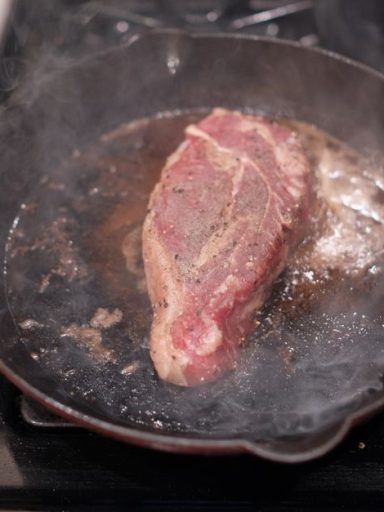
Raise the heat to medium-high. Add the ground beef and pork in two batches, breaking it into rough ½-inch pieces with a wooden spoon. Let each batch sit untouched for 2 to 3 minutes so a real brown crust can form, then stir and continue cooking until no pink remains. Do not crowd the pot; browning in two batches is what creates the savory base notes. Season lightly with salt and pepper as the meat cooks.
Push the meat to one side and add the tomato paste directly to the bottom of the pot. Stir it for 2 minutes until it darkens from brick red to rusty brown — this caramelization removes the raw canned flavor. Pour in the red wine, scrape up every browned bit from the pot, and let the wine reduce until almost dry, about 2 minutes. Add the crushed tomatoes, bay leaf, and ½ cup of water rinsed into the tomato can. Bring the sauce to a simmer, then reduce the heat to low.
Simmer uncovered or with the lid ajar for at least 90 minutes, stirring every 15 minutes. The sauce will thicken as water evaporates. If it ever looks dry before the 90 minutes are up, add ¼ cup of water rather than more stock or tomatoes. At the end, you should have about 6 cups of ragù, and a spoon dragged through the pot should leave a clear trail. Remove the bay leaf, taste for salt, and add a pinch of sugar only if the tomatoes taste sharp or acidic.
Bring 4 quarts of water to a rolling boil and add 1½ tablespoons of kosher salt. Cook the noodles in batches of 4 to 5 to prevent sticking, for 1 to 2 minutes less than the package instructs. They will finish cooking in the oven. Transfer each batch to an oiled baking sheet in a single layer, using a small drizzle of olive oil between noodles to keep them separate. Do not rinse them under cold water — that washes away starch that helps the sauce cling.
In a medium bowl, combine the ricotta, beaten egg, parsley, ½ teaspoon salt, ¼ teaspoon black pepper, and ½ cup of the grated Parmigiano. Stir until just smooth; overmixing can make the ricotta turn watery. If your ricotta looks very wet, set it in a fine-mesh strainer over a bowl for 10 minutes before mixing.
Preheat the oven to 375°F and arrange a rack in the center. Spread 1 cup of ragù over the bottom of the baking dish. Lay down the first layer of noodles, cutting sheets only if needed to fit. Spread 1½ cups of ragù over the noodles, dollop half of the ricotta mixture across the sauce, and gently spread it into an even layer. Scatter ¾ cup of mozzarella and 2 tablespoons of Parmigiano over the ricotta. Repeat: noodles, 1½ cups ragù, remaining ricotta, ¾ cup mozzarella, and another 2 tablespoons of Parmigiano. Finish with the final noodles, 1½ cups of ragù spread to the edges, and the remaining mozzarella and Parmigiano on top. Make sure every exposed noodle is covered by sauce so it can soften in the oven.
Spray one side of a sheet of foil with oil and cover the baking dish tightly, oiled side down. Bake for 25 minutes. Remove the foil and continue baking until the sauce bubbles around the edges and the cheese top is deeply browned in spots, about 20 minutes more. For food safety, check the center with an instant-read thermometer — it should read 165°F (74°C)[1] before you pull the pan out.
Let the lasagna rest on a wire rack for 20 to 25 minutes. This is not optional patience; it lets the béchamel-like ricotta starch absorb excess liquid and allows the layers to set into clean, defined slices. Cut with a long serrated knife, using a gentle sawing motion rather than pressing straight down.
If you are short on time, the ragù can be simmered for only 45 minutes instead of 90. The dish will still be good, but the meat flavor will be less round, and the tomato will be brighter. The 90-minute simmer is where the sauce develops the “cooked all afternoon” quality people associate with great lasagna.
To make a lighter, more traditional Emilia-Romagna style version, replace the ricotta filling with 3 cups of béchamel: melt 4 tablespoons of butter, whisk in ⅓ cup all-purpose flour, cook for 1 minute, then slowly whisk in 3 cups of warm whole milk. Simmer until thickened and season with salt and nutmeg. Use the béchamel in place of ricotta and skip the interior mozzarella layers; finish the top with only grated Parmigiano. The ragù can stay the same.
Key Ratios & Temperature Table
Memorize the structure, not the recipe card. Once you know that a standard lasagna needs about 1½ cups of sauce per noodle layer and 20 minutes of rest, you can adapt the dish to any pan size or filling you prefer.
| Variable | Target |
|---|---|
| Baking dish | 9 × 13 × 2-inch minimum, 3-quart capacity |
| Servings | 12 main-course portions |
| Noodle layers | 3 pasta layers |
| Ragù per noodle layer | 1½ cups (355 ml) |
| Ricotta per layer | About half of the 15 oz container, per interior layer |
| Oven temperature | 375°F (190°C), middle rack |
| Bake time, covered | 25 minutes |
| Bake time, uncovered | 20 minutes, or until top is deeply browned and bubbling |
| Safe internal center temperature | 165°F (74°C)[1] |
| Rest before slicing | 20–25 minutes |
Common Mistakes & Troubleshooting
When lasagna goes wrong, it almost always does so in one of five predictable ways. Here is how to avoid, diagnose, and fix each one.
Storage, Make-Ahead & Pairing Ideas
Make-ahead strategy
The ragù can be refrigerated for up to 3 days before assembly. The fully assembled lasagna can also be covered and refrigerated for up to 2 days before baking. If you start from the refrigerator, add about 10 minutes to the covered bake time and still confirm that the center hits 165°F[1].
Freezing instructions
- Assemble and freeze unbaked: Build the lasagna in a disposable aluminum pan or a freezer-safe metal pan, cover tightly with foil, and freeze for up to 3 months. Bake directly from frozen at 375°F, covered, for about 55 minutes, then uncover for 15 to 20 minutes more.
- Freeze after baking: Cool completely, slice into individual portions, and wrap each piece tightly in plastic wrap, then foil. Frozen cooked lasagna keeps for up to 3 months.
- Thaw safely: Move frozen lasagna to the refrigerator for 24 hours before baking. Do not thaw on the counter — the USDA food-safety guideline is to keep perishable foods out of the 40°F–140°F danger zone[2].
Refrigerating leftovers
Refrigerate leftover lasagna within 2 hours of baking. Well wrapped, it will keep in the fridge for 3 to 4 days. Reheat single portions in a 350°F oven, covered with foil, until steaming hot; a microwave works in a pinch but will soften the crispy top.
What to serve with it
A dish this rich does not need a complicated side. Serve it with a crisp green salad dressed with lemon and olive oil, sautéed broccolini, or garlicky wilted spinach. For wine, choose a medium-bodied Sangiovese, Chianti, or a chilled Lambrusco — its effervescence cuts through the cheese and ragù better than a heavy Cabernet.
Frequently Asked Questions
Can I use no-boil / oven-ready lasagna noodles in this recipe?
Yes, with one adjustment. Oven-ready noodles absorb moisture from the sauce rather than from a pot of boiling water, so you need a slightly looser ragù. Add about ¼ cup of water or stock to the final ragù, and spread it especially evenly over each pasta layer. Increase the covered baking time from 25 minutes to 30 minutes so the sheets can fully hydrate. If you use no-boil noodles with a sauce that is too thick, you will get chalky hard spots in the center.
Why does my lasagna turn out runny?
Runny lasagna almost always means excess water from one of three sources: watery ricotta, watery mozzarella, or an under-reduced ragù. Drain the ricotta in a fine-mesh strainer for 10 minutes before mixing; use low-moisture mozzarella instead of fresh mozzarella packed in water; and simmer the ragù until a spoon leaves a trail that does not immediately fill back in. Finally, give the baked lasagna a full 20 to 25 minute rest — this allows the starches from the pasta to absorb any remaining liquid and set the layers.
Can I use cottage cheese instead of ricotta?
You can, but you need to adjust the texture. Cottage cheese is moister and saltier than ricotta. Drain it in a strainer for at least 30 minutes, then pulse it once or twice in a food processor with the egg and seasonings until it resembles the consistency of ricotta. For the smoothest, richest result on a special dinner, whole-milk ricotta is worth seeking out.
Is béchamel or ricotta more traditional for lasagna?
Both are traditional, but in different places. In Emilia-Romagna, lasagne al forno is layered with ragù alla bolognese and béchamel — ricotta has no historical place in that version. In southern Italy and in Italian-American cooking, ricotta became the standard dairy layer because it was abundant, inexpensive, and paired naturally with tomato sauces. Either works. This master recipe uses ricotta because it is what most home cooks expect from a lasagna recipe, but the béchamel variation above is just as good and slightly more luxurious.
Can I prepare this lasagna the day before serving?
Yes. Assemble the lasagna completely, do not bake it, cover tightly, and refrigerate for up to 2 days. When you are ready to bake, remove the dish from the refrigerator while the oven preheats, then bake covered at 375°F for 35 minutes. Remove the foil and bake until the center reaches 165°F and the top is deeply browned. Because the pasta absorbs sauce while resting overnight, you may want to add an extra ½ cup of ragù to the top layer during assembly if you know you are baking the next day.
- A great lasagna needs a ragù that is reduced until it coats a spoon — not a watery tomato soup.
- Use whole-milk ricotta, low-moisture mozzarella, and freshly grated Parmigiano-Reggiano for the best texture and flavor.
- Build the pan in this rhythm: sauce, pasta, sauce, ricotta, mozzarella — three pasta layers with two ricotta layers inside.
- Bake at 375°F, covered for 25 minutes and uncovered until the center reaches 165°F.
- The rest before slicing is part of the recipe: 20 to 25 minutes turns a soft casserole into clean, defined portions.
- Make the ragù ahead, assemble ahead, or freeze the whole pan — lasagna is one of the best make-ahead main dishes you can cook.
- USDA Food Safety and Inspection Service. “Safe Minimum Internal Temperature Chart.” https://www.fsis.usda.gov/food-safety/safe-food-handling-and-preparation/food-safety-basics/safe-temperature-chart. Updated May 2024. Accessed September 2026.
- USDA Food Safety and Inspection Service. “Danger Zone: 40°F – 140°F.” https://www.fsis.usda.gov/food-safety/safe-food-handling-and-preparation/food-safety-basics/danger-zone-40f-140f. Accessed September 2026.
- Consorzio del Formaggio Parmigiano Reggiano. “The Disciplinare of Production.” https://www.parmigianoreggiano.com/disciplinare. Accessed September 2026.
Editorial note: This article was written for home cooks preparing a classic lasagna in a home oven. Always follow the food-safety guidance of your local health authority, and use an instant-read thermometer when cooking any baked dish containing ground meat. Recipes are tested in a standard 375°F oven; individual ovens and pan materials can change baking time by 5 to 10 minutes.