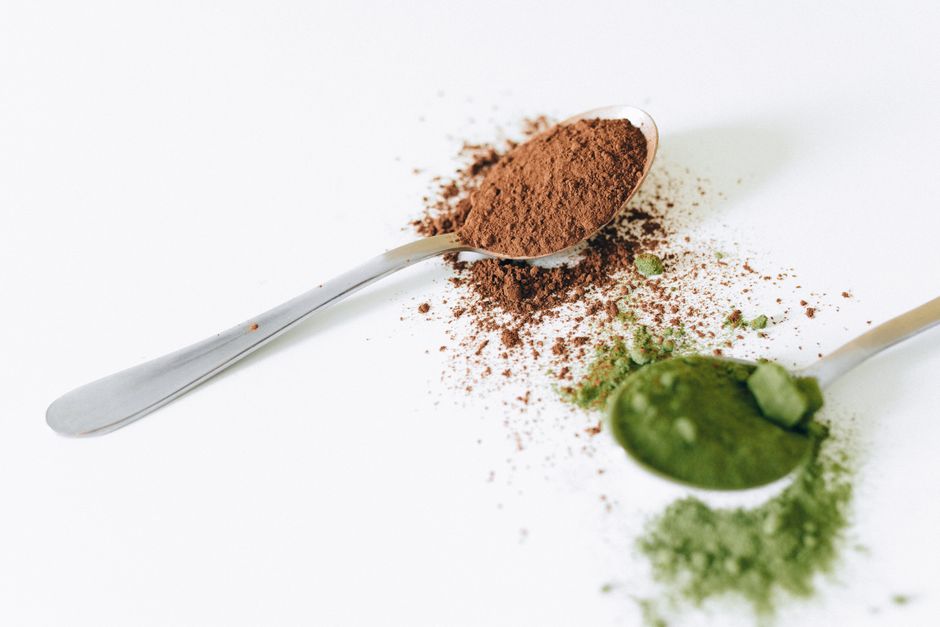
The quiet variable separating Dutch cocoa from natural cocoa powder is an alkalizing bath that shifts pH, color, and leavening chemistry far more than it shifts flavor. Once you understand that, you can swap them confidently in nearly any chocolate bake.
Dutch cocoa is cocoa powder treated with an alkaline solution to raise its pH from about 5.5 to near-neutral; natural cocoa is unalkalized, acidic cocoa powder. Because acid activates baking soda, natural cocoa pairs with baking soda, while neutral Dutch cocoa pairs with baking powder. To swap them, replace each 1/4 teaspoon baking soda with 1 teaspoon double-acting baking powder.
- The Two Cocoa Personalities at a Glance
- Why Is One Cocoa “Dutch” at All?
- Natural Cocoa: Bright, Acidic, and Reactive in the Bowl
- Dutch Cocoa: Alkaline, Dark, and Deliberately Calm
- Natural vs. Dutch Cocoa: A Baker’s Comparison Table
- The Exact Cocoa Swap Rules and Leavening Fixes
- Chef’s Verdict: Choosing Cocoa by Bake, Not by Brand
- Cocoa Questions Bakers Actually Ask
The Two Cocoa Personalities at a Glance
Every cocoa powder starts the same way: fermented, dried cacao beans are roasted, cracked, and ground into a thick paste called chocolate liquor. Pressing that liquor removes most of the cocoa butter, leaving a hard slab that is pulverized into the powder in your tin. The fork in the road comes next. Natural cocoa powder is that powder, nothing more. Dutch cocoa powder has been further treated with an alkaline solution that deliberately changes its acidity — and therefore its role in nearly every recipe.
Acidity: bright, tangy, fruity, with a red-wine sharpness.
pH: roughly 5.0–6.0, clearly acidic.
Baking role: activates baking soda and produces reddish-brown crumbs.
Best for: American layer cakes, devil’s food, red velvet, recipes with buttermilk or coffee.
Acidity: mellow, earthy, nutty, almost wine-free and deeply chocolatey.
pH: roughly 6.8–8.0, near-neutral to slightly alkaline.
Baking role: cannot activate baking soda; relies on baking powder for lift.
Best for: European tortes, puddings, mousses, black-and-white cookies, deeply colored brownies.
In baking, cocoa is not just a flavoring; it is also a chemical participant. Acidic natural cocoa provides the acid that makes baking soda foam and lift a cake. Dutch cocoa’s alkalizing step neutralizes that acidity, so a cake made with Dutch cocoa plus baking soda alone will rise poorly and taste flat or even faintly soapy. That single scientific detail drives every substitution rule below.
Why Is One Cocoa “Dutch” at All?
Blame the Netherlands. In 1828, Amsterdam chemist and chocolatier Coenraad Johannes van Houten patented a screw press that squeezed a large portion of the cocoa butter out of roasted, ground cacao beans. For the first time, a dry, relatively stable cocoa powder could be made in large quantities — and at a price ordinary families could afford.
Early cocoa powder, however, was still aggressively acidic and did not blend smoothly into hot milk or water. Van Houten began treating the powder with alkaline salts, typically potassium or sodium carbonate. The treatment raised the powder’s pH, softened its sour bite, and deepened its color from a rusty brown to a dark mahogany. The process became known as Dutching, after his nationality, and the resulting product as Dutch-processed or alkalized cocoa.
In the United States, the distinction is written into food law: a product labeled as alkalized or Dutch-processed cocoa must declare that treatment on the package, usually as “processed with alkali” in the ingredient statement[2]. That label is your first clue when a store brand does not use the word “Dutch.”
Dutching is not an ingredient added for flavor; it is a chemical edit that recalibrates how cocoa behaves in every batter, cream, and drink it enters.
— Culinary Editorial Test Kitchen
Natural Cocoa: Bright, Acidic, and Reactive in the Bowl
Natural cocoa is the closest thing to “straight” cocoa powder: cacao mass that has been pressed and ground but never treated with alkali. In the United States and United Kingdom it is often labeled simply “unsweetened cocoa powder”; in France and Spain, you may see it sold as cacao non alcalinisé or natural.
Its defining trait is retained acidity. Unalkalized cocoa carries organic acids from the fermented cacao bean — most meaningfully acetic and lactic acids — that keep its pH in the range of roughly 5.0 to 6.0[1]. That might sound like a minor technicality, but it is precisely the acidity that makes natural cocoa the classic partner for baking soda. When you mix a batter with natural cocoa, baking soda, and a liquid, the cocoa’s acids neutralize the soda and release carbon dioxide gas, creating the air pockets that lift a cake layer.
Taste the difference side-by-side and you will notice natural cocoa has a sharper, livelier front edge: tangy berries, red wine, a hint of citrus rind, and a slightly aggressive bitterness. American classic baking leans into that brightness. Devil’s food cake gets its characteristic reddish-brown crumb from natural cocoa reacting with baking soda. Red velvet’s rust-toned color depends on it too; acidic cocoa helps preserve the reddish anthocyanin pigments that would otherwise turn muddy in a more alkaline batter.
Use natural cocoa when you want a chocolate flavor that cuts through sweet buttercream or stands up to coffee, and when the recipe’s leavening already includes baking soda. If the batter also lists buttermilk, sour cream, yogurt, or brown sugar, natural cocoa is almost always the correct choice, because those acidic ingredients and the cocoa are designed to work together as one leavening team.
Dutch Cocoa: Alkaline, Dark, and Deliberately Calm
Dutch-processed cocoa takes the same pressed powder and introduces it to an alkaline bath. Potassium carbonate, sodium carbonate, or sodium bicarbonate is dissolved in water, and the cocoa is soaked, then dried and re-milled. The alkaline treatment neutralizes much of the bean’s natural acid. That may sound like subtraction, but it changes cocoa in four visible ways: flavor softens, color deepens dramatically, the powder disperses more readily in liquids, and its chemical reactivity in batters shifts from “acid donor” to “neutral observer.”
| Property | What Changes With Dutching |
|---|---|
| pH | Rises from roughly 5.5 to approximately 6.8–8.0, depending on how heavily the powder is processed[1]. |
| Color | Polyphenols oxidize and polymerize under alkaline conditions, forming darker, larger brown pigments. Lightly Dutched cocoa is warm brown; heavily Dutched “black cocoa” can be nearly charcoal. |
| Taste | Acidity and astringency drop; the flavor becomes rounder, earthier, nuttier, with raisin and black-cherry depth instead of sharp red-berry tang. |
| Reactivity | Neutralized cocoa cannot activate baking soda, so leavening must come from baking powder or another added acid. |
From a baker’s point of view, Dutch cocoa is a more predictable ingredient in batters that also contain eggs, butter, and flour. Its neutral pH means it will not prematurely react with the baking soda in a double-acting baking powder blend, nor will it curdle dairy as readily when heated into puddings, custards, or hot chocolate. For drinks and sauces, Dutch cocoa produces a smoother, less sour cup — which is why nearly every commercial hot cocoa mix uses Dutch-processed or alkalized cocoa as its base.
The trade-off is flavor excitement. Dutching intentionally smooths away the jagged, fruity high notes that many pastry chefs love in natural cocoa. A chocolate mousse made with Dutch cocoa tastes deep and polished, but it can feel slightly muted next to the same mousse made with a bright natural powder. In European pastry traditions, where cocoa appears inside delicate tortes, creams, and praline fillings, that restraint is an asset, not a flaw.
Natural vs. Dutch Cocoa: A Baker’s Comparison Table
Here is the same information in the form a working baker keeps taped to the inside of a cabinet. Use it when reading a formula before you start mixing.
| Dimension | Natural Cocoa | Dutch Cocoa |
|---|---|---|
| pH | ≈ 5.0–6.0, acidic[1] | ≈ 6.8–8.0, neutral to alkaline[1] |
| Leavening partner | Baking soda; works with acidic liquid ingredients | Baking powder, or an added acid such as buttermilk or cream of tartar |
| Flavor position | Tangy, bright, fruity, winey, finishes with a citrus-like sharpness | Mellow, earthy, nutty, raisiny, with little to no sour finish |
| Crumb color | Warm reddish-brown; can look almost bronze in high-soda batters | Dark brown to near-black; no red tint survives the alkaline shift |
| Liquid behavior | Acidity can tighten dairy and lend a slight astringency to hot drinks | Neutral pH blends gently with milk; a classic base for hot cocoa and puddings |
| Representative bakes | Devil’s food, red velvet, Texas sheet cake, “wacky” depression cake, American layer cakes with buttermilk | Sacher torte, European chocolate tortes, blackout cake, brownies, chocolate mousse, custards and ganaches |
One important caveat: “Dutch cocoa” is not a single strength. A lightly alkalized Dutch cocoa may have a pH around 6.8 and still taste vaguely chocolaty-bright. A heavily alkalized cocoa, sometimes sold as black cocoa or extra-dark cocoa, can reach pH 8 and produces an almost asphalt-colored crumb with a distinctly mild, Oreo-like flavor. When a recipe specifies Dutch cocoa, it usually means a standard medium-Dutch powder, not the black stuff.
The Exact Cocoa Swap Rules and Leavening Fixes
At volume, Dutch and natural cocoa powders substitute for each other one-for-one. The swap your cake will notice is not the powder’s volume but its chemistry. Ask one question before you exchange them: what is lifting this bake? If the answer involves baking soda, read the rules below carefully.
Swapping Natural Cocoa for Dutch Cocoa
Going from natural to Dutch is the riskier direction, because you are removing an acid that the recipe was relying on. If the original formula’s only significant acid is the natural cocoa itself — no buttermilk, yogurt, sour cream, or large amount of molasses — use this kitchen-tested conversion:
For every 1/4 teaspoon baking soda listed in the original recipe, remove the soda and add 1 teaspoon double-acting baking powder to the dry ingredients. Double-acting baking powder contains its own acid, so it will release carbon dioxide even though the Dutch cocoa is neutral.
If the original batter includes a significant amount of acidic dairy — say, 1 cup of buttermilk or 1 cup of sour cream — do not mechanically convert all of the baking soda at that ratio. The recipe’s baking soda was there not only for the cocoa but also to neutralize that dairy and create lift. A cleaner approach is to use the natural cocoa the recipe calls for. When dairy acid is that central, no powdered swap will reproduce the same moist, high-risen crumb with identical flavor in both directions.
Swapping Dutch Cocoa for Natural Cocoa
The reverse direction is more forgiving. Because natural cocoa is acidic, and most Dutch-cocoa recipes rely on baking powder rather than baking soda, you can generally substitute natural cocoa 1:1 without changing leaveners. Expect two differences: a redder, more coppery crumb and a slightly tangier chocolate flavor. In a recipe built on Dutch cocoa, those changes may be charming — or they may make a delicate European torte taste more aggressively American. Taste the dry cocoa before mixing; if it smells sharply acidic to you, your final bake will carry that note too.
| If the recipe calls for… | …and you want to use… | Leavening adjustment |
|---|---|---|
| Natural cocoa + baking soda | Dutch cocoa | Replace each 1/4 tsp baking soda with 1 tsp double-acting baking powder; omit the soda. |
| Natural cocoa + baking soda + buttermilk or yogurt | Dutch cocoa | Use another recipe or switch back to natural cocoa; the acid balance is too interconnected for a clean 1:1 swap. |
| Dutch cocoa + baking powder | Natural cocoa | No leavening change necessary. Expect a redder crumb and a brighter, tangier chocolate flavor. |
| Dutch cocoa + no leavening (mousse, ganache, pudding) | Natural cocoa | No leavening change, but acidity may curdle dairy. For custards and puddings, add a pinch of baking soda or use Dutch cocoa instead. |
Natural cocoa cake: warm brick-red-brown crumb, open tender texture, bright chocolate aroma. Dutch cocoa cake: deep espresso-brown-to-black crumb, velvet-smooth texture, mellow roasted aroma. If your final crumb color does not match the powder you chose, check the pH of your other ingredients — especially tap water or hard water, which can shift batter pH by itself.
Chef’s Verdict: Choosing Cocoa by Bake, Not by Brand
There is no universally superior cocoa, but there is usually a correct cocoa for a specific formula. A recipe developer writes the ingredient list around the leavening system, not the other way around. Respect that architecture first, then choose for flavor and color.
Reach for natural cocoa when the batter lists baking soda, buttermilk, sour cream, or yogurt; when you want a bright, tangy, red-fruit chocolate note; or when you are baking American classics like devil’s food cake, red velvet, Texas sheet cake, or a fudgy buttermilk layer cake.
Reach for Dutch cocoa when the recipe lists baking powder as its main leavener; when you want a deep mahogany or near-black crumb; or when you are making mousses, custards, puddings, hot cocoa, ice cream bases, and delicate European tortes where a smooth, mellow chocolate flavor should not compete with sharp acidity.
When forced to choose one pantry cocoa: stock natural first if you bake mostly American layer cakes and brownies, and Dutch first if you bake mostly European-style desserts and chocolate drinks. The most flexible home setup keeps one small tin of each, because the two cocoas are not redundant — they are two different tools.
For brownies specifically, both cocoas create excellent but different bars. Natural cocoa gives a brownie with a brighter chocolate snap and a faintly fruity, almost raspberry-like high note. Dutch cocoa delivers a dense, dark, fudgy brownie with a deeper roast and less sweetness perception. If you want an Oreo-dark brownie with a muted chocolate profile, choose Dutch. If you want the chocolate to announce itself with a lively twang against sweet frosting, choose natural.
Cocoa Questions Bakers Actually Ask
Can I substitute Dutch cocoa and natural cocoa powder 1:1?
Yes and no. By weight and dry volume, they are interchangeable. Chemically, they are not. Natural cocoa is acidic and teams with baking soda; Dutch cocoa is neutral and teams with baking powder. If you swap one for the other in a leavened bake, you must fix the leavening: for every 1/4 teaspoon baking soda removed when switching to Dutch cocoa, add 1 teaspoon double-acting baking powder. In an unbaked recipe like ganache or frosting, a straight 1:1 swap is usually fine.
Why did my chocolate cake turn out reddish-brown with natural cocoa?
That red tint is a chemical signature, not a mistake. Natural cocoa’s acidity keeps certain polyphenolic pigments in a reddish form, and the reaction between acidic cocoa and baking soda produces a warm brick-red crumb. Dutch-processed cocoa removes that acidity, so cakes baked with Dutch cocoa become dark brown or almost black instead. The color difference is one of the quickest visual clues to which cocoa a recipe uses.
Which cocoa is better for hot chocolate and cocoa drinks?
For a smooth, instantly comfortable cup, Dutch cocoa is usually the better choice. Its neutral pH is far less likely to curdle hot milk, and its mellow, nutty flavor needs less sugar to taste rounded. Natural cocoa can make an excellent, more intensely fruity European-style sipping chocolate, but it pairs better with water or with milk that contains a little extra fat and is not heated too aggressively.
What is “black cocoa powder,” and is it the same as Dutch cocoa?
Black cocoa is Dutch cocoa taken to the extreme. It is treated with more alkali and processed longer, pushing its pH up to around 8 and its color to a very dark charcoal. The flavor becomes extremely mild — think the chocolate note in a chocolate sandwich cookie — and it produces nearly black crumbs. You can use it in small amounts alongside regular Dutch cocoa for color, but substituting it 1:1 for standard Dutch cocoa will darken the bake dramatically and mute the chocolate taste.
How do I know which cocoa a recipe is asking for when it just says “cocoa powder”?
Look at the leaveners listed. If the recipe includes baking soda and an acidic liquid such as buttermilk or sour cream, it was developed for natural cocoa. If it uses only baking powder or no leavener at all, it was probably written for Dutch cocoa. American recipes published before the 2000s usually mean natural cocoa by default; many European recipes use the word “cocoa” to mean Dutch-processed. These assumptions increasingly vary with modern authors, so check the ingredient list for the phrase “processed with alkali.”
Does Dutch processing make cocoa less bitter?
Yes, perceptibly. The alkaline treatment neutralizes much of the acidic astringency and some of the harsh, drying tannin character found in natural cocoa. That is why Dutch cocoa tastes smoother and rounder, and why it is often paired with less sugar than natural cocoa needs. It is not that all bitterness disappears — cocoa always retains some bitter alkaloids like theobromine — but the sour, puckering edge is substantially tamed.
Should I sift cocoa powder differently depending on whether it is Dutch or natural?
Both cocoas benefit from sifting because both tend to hold small lumps after storage. Dutch cocoa, however, disperses more easily into liquids thanks to its alkalized surface chemistry, making it slightly less prone to forming stubborn dry pockets in cold batter. Whisk it into hot liquid first or sift it with the dry flour mixture — either method works for both types. If a recipe directs you to dissolve cocoa in hot coffee or water, Dutch cocoa will do so with less speckling than natural cocoa.
- Natural cocoa is unalkalized and acidic, with a pH near 5.0–6.0; Dutch cocoa is washed with alkali, raising its pH to roughly 6.8–8.0 and turning it neutral[1].
- Acidic natural cocoa activates baking soda; neutral Dutch cocoa cannot, so it relies on baking powder or another added acid for lift.
- Substituting Dutch for natural cocoa when baking soda is the only leavener: replace each 1/4 teaspoon baking soda with 1 teaspoon double-acting baking powder and omit the soda.
- Substituting natural for Dutch cocoa in a baking-powder recipe usually works 1:1, but expect a redder crumb and a brighter, more acidic chocolate flavor.
- Color is a reliable diagnostic: natural cocoa gives warm reddish-brown cakes; Dutch cocoa gives deep brown to near-black crumbs.
- For the best baking results, keep both powders in your pantry and match the cocoa to the recipe’s leavening architecture, not to the color on the box.
- Harold McGee, On Food and Cooking: The Science and Lore of the Kitchen, rev. ed. (Scribner, 2004), cocoa and chocolate chapter — cocoa pH ranges and the effects of alkalization on flavor and color.
- U.S. Food and Drug Administration, 21 CFR Part 163 — Cacao Products, labeling standard for cocoa processed with alkali.