No single pantry ingredient can copy butter in every recipe. Once you understand whether your bake needs trapped air, moisture, tenderness, or flake, a successful swap becomes far simpler — and these exact substitute ratios remove the guesswork.
Choose plant-based buttery sticks for any recipe that creams butter with sugar — they closely match butter’s roughly 80% fat structure and swap 1:1 by cup or gram. When a recipe starts with melted butter, replace every 1 cup (227 g) of butter with ¾ cup plus 2 tablespoons neutral oil or melted coconut oil. Reserve applesauce, Greek yogurt, and fruit purees for swaps of no more than half the butter, since their high water content changes cake structure dramatically.
- Why butter earns three separate paychecks in a bake
- The first fork: solid-fat swaps versus moisture purees
- The butter substitute ratio table you’ll actually use
- How solid-fat substitutes behave in cookies, cakes, and crusts
- When the moisture route improves a recipe
- Bakes that deserve real butter — and bakes that don’t
- How to pick a substitute when the recipe gives you no clue
- Butter substitute questions, answered
Why Butter Earns Three Separate Paychecks in a Bake
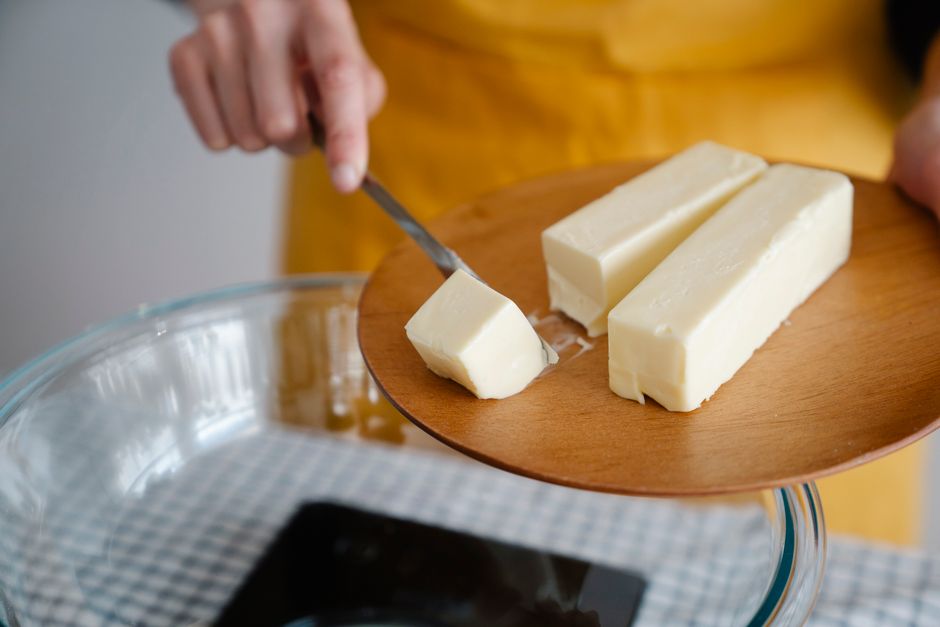
A stick of butter is not simply “solid fat.” Commercial butter is an emulsion of roughly 80% milkfat, about 16% water, and a small fraction of milk solids, and that precise architecture is why it performs three different structural jobs in a single cookie or cake [1]. The fat coats gluten strands so they cannot over-bond into toughness. The water turns to steam in a hot oven, helping leaven batter from within. And trapped air, whipped into the fat during creaming, gives layer cakes and sugar cookies their signature open, tender crumb.
Creaming deserves special attention because it is the trickiest butter behavior to reproduce. When butter is beaten with sugar at about 65–68°F (18–20°C), the sugar crystals physically carve microscopic air pockets into the softened fat. Those pockets later expand in the oven. Below roughly 55°F, the fat is too rigid to accept air; above 72°F, it turns greasy and the whipped structure collapses. Butter’s narrow plastic range — firm enough to hold shape, soft enough to accept air — is exactly why a 1:1 replacement with a liquid oil produces a flat, dense cookie rather than a tall, cakey one.
Milk solids deliver the third role. They brown during baking via Maillard reactions, contributing the nutty, toasty edge of a golden cookie bottom and the deep color of a butter cake crust. They also carry most of butter’s flavor. A butter substitute that removes milk solids — ghee, coconut oil, or most plant-based fats — may mimic butter’s tenderizing ability, but it will not replicate that same browned-milk flavor unless you add a separate flavor source.
This is why “the best butter substitute” does not exist as a single answer. A sugar cookie that relies on creamed air demands a solid, butter-like stick. A muffin that relies on melted butter for moisture can accept an oil. A brownie that leans on fudgy density can tolerate applesauce. Matching the substitute to the butter’s dominant job is the entire game.
The First Fork: Solid-Fat Swaps Versus Moisture Purees
Before choosing an ingredient, choose a strategy. Nearly every good butter substitute falls into one of two routes, and each route preserves a different part of butter’s chemistry.
Vegan buttery sticks, refined coconut oil, ghee, vegetable shortening.
Creams with sugar: yes, when using stick-form vegan butter.
Best ratio: vegan sticks 1:1; coconut oil or ghee about ¾ cup plus 2 tbsp per 1 cup butter.
Texture result: closest to full-fat butter — tender, evenly aerated crumb in cookies, cakes, and biscuits.
Flavor: neutral to mildly buttery; no dairy tang.
Unsweetened applesauce, Greek yogurt, mashed banana, pumpkin, avocado.
Creams with sugar: no. Use only in recipes based on melted butter, oil, or liquid batter.
Best ratio: replace no more than half the butter by volume; never a full 1:1 swap.
Texture result: noticeably moister, denser, and more cakelike; lower fat, often chewier.
Flavor: mild fruit or dairy tang that can enhance spice-forward bakes.
Route 1 is the choice when the recipe’s identity depends on creaming: classic chocolate chip cookies, pound cake, American buttercream, and biscuits. The most reliable Route 1 ingredient is a plant-based buttery stick, precisely because it is engineered to mimic butter’s fat-water balance. Coconut oil and ghee can also work, but they enter with different hydration math — ghee contains virtually no water, and coconut oil is 100% fat, so both require the adjusted ratios shown below.
Route 2 is better understood as a fat-reduction strategy than a true butter replacement. Purees bring sugar, pectin, and fiber instead of fat, which means they change browning, spread, and setting time. That makes them excellent for vegan banana bread, low-fat bran muffins, or fudge-style brownies — and risky for delicate sugar cookies or choux pastry. A full swap of applesauce for butter in a standard cake usually produces a gummy, collapsed crumb; a half-swap, paired with a tablespoon of oil, often produces a genuinely pleasant breakfast-style bake.
The Butter Substitute Ratio Table You’ll Actually Use
Use these conversions whenever a recipe calls for 1 cup (227 g, or 2 sticks) of butter. For smaller amounts, scale the ratio down linearly — for half a cup of butter, use half the listed quantity of substitute.
| Substitute | Swap for 1 cup butter | Best used in | What changes |
|---|---|---|---|
| Plant-based buttery sticks (70–80% fat) | 1 cup = 227 g, same by volume or weight | Creamed cookies, layer cakes, vanilla buttercream, biscuits | Nearly identical structure; slightly less dairy depth in crust browning |
| Vegetable shortening (trans-fat-free) | 1 cup | Pie dough, sugar cookies, sandwich cookies | More tender and pale; less flavor; no water means no steam lift |
| Ghee | ¾ cup plus 2 tbsp, plus 2 tbsp of milk or water added separately | Enriched doughs, crisp cookies, banana bread, shortbread | Rich, nutty; cookies spread wider and bake crisper |
| Refined coconut oil | ¾ cup plus 2 tbsp | Melted-butter cakes, quick breads, pie dough when kept cold, vegan frosting | Neutral coconut-free flavor; firm at cool room temperature, so it can mimic solid fat |
| Virgin coconut oil | ¾ cup plus 2 tbsp | Tropical cakes, granola bars, spiced muffins, vegan brownies | Pronounced coconut note; same textural behavior as refined |
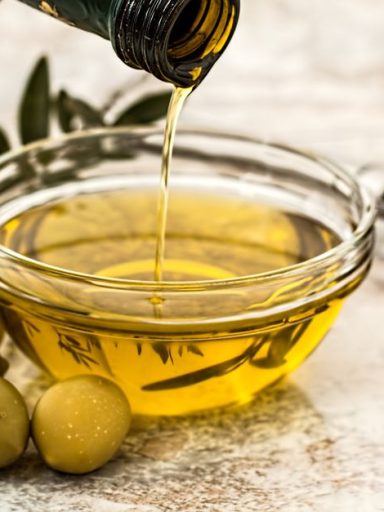
| Neutral oil (canola, sunflower, grapeseed, avocado) | ¾ cup plus 2 tbsp | Muffins, pancakes, waffles, oil-based cakes, brownies | Moist, tender, slightly denser crumb; zero aeration, so not for creamed cookies |
| Extra-virgin olive oil | ¾ cup plus 2 tbsp | Olive oil cakes, citrus loaves, cornbread, focaccia-adjacent sweet bakes | Fruity peppery flavor; dense, velvety, exceptionally moist crumb |
| Unsweetened applesauce | Use as half swap only: replace ½ cup butter with ½ cup applesauce + 2 tsp oil | Muffins, quick breads, soft oatmeal cookies, brownies | Denser, moister, more cakelike; less spread; lowers fat considerably |
| Plain Greek yogurt | Use as half swap only: replace ½ cup butter with ½ cup yogurt + 1 tbsp oil | Muffins, coffee cake, scones adjacent, protein-friendly bakes | Tangy flavor, very soft crumb, extra tenderness from acid |
| Mashed banana, pumpkin, or avocado | Use as half swap only: replace ½ cup butter with ½ cup puree | Banana bread, pumpkin bread, chocolate brownies, dark cakes | Prominent fruity or earthy flavor; dense, fudgy, or pudding-like crumb |
A 1-cup block of butter delivers roughly 181 g of pure milkfat and only about 36 g of water. Swap in a full cup of oil and you add roughly 45 g of unplanned fat while removing the water that butter contributed to steam. That is why pastry test kitchens — from King Arthur Flour to Cook’s Illustrated — converge on the same correction: use ¾ cup plus 2 tablespoons (about 206 mL) of oil per cup of butter, and add about 2 tablespoons of milk or water if the batter looks thick. The result approaches the same fat mass with better moisture balance.
How Solid-Fat Substitutes Behave in Cookies, Cakes, and Crusts
Plant-based baking sticks: the closest 1:1 universal swap
Vegan buttery sticks are formulated to reproduce butter’s emulsion, which makes them the only substitute that can be creamed with sugar into a light, aerated base. For recipes that begin “cream the butter and sugar,” use them at room temperature exactly as you would dairy butter, and beat for the same time — usually 2 to 3 minutes until pale and fluffy. One caveat: plant sticks vary from about 65% to 80% fat depending on brand, and lower-fat spreads contain more water and stabilizers. Check the label before baking; if the fat content per 14 g tablespoon is under 9 g, the product is a spread, not a baking stick, and cookies may overspread or cakes may sink.
Coconut oil: flexible, but it has a melting personality
Coconut oil occupies an unusual middle ground because its melting point hovers near 76°F (24°C). Below that, it is a solid that can be cut into flour for a rough biscuit or pie dough; above it, it behaves like a liquid oil. This makes refined coconut oil one of the most versatile plant fats in the pantry. In creamed cakes it is second-best to vegan sticks: soften it just below melting, beat it with sugar, and you will get decent but less voluminous aeration than butter. In recipes that begin with melted butter, simply melt the coconut oil and use the ¾-cup-plus-2-tablespoons ratio. In pie dough, freeze the oil, grate it like cheese, and toss it through the flour before adding ice water — the result is a tender, if slightly less shattering, crust.
Ghee: intense flavor with zero water
Ghee is butter with the water and milk solids removed, leaving a concentrated, nutty pure fat. That makes it excellent in shortbread, crisp-edged cookies, granola, and enriched bread doughs, where its low moisture encourages browning and crunch. But ghee cannot be creamed into a fluffy cake: without water to dissolve sugar, the mixture never develops the same light foam, and it will not whip the way room-temperature butter does. If you replace butter with ghee in a cake recipe, use only the ¾-cup-plus-2-tablespoons ratio plus a splash of liquid, and accept a denser, more caramel-flavored crumb. The lack of milk solids also means ghee does not burn as quickly, which is an advantage in any recipe that calls for browning butter first.
If a recipe calls for browned butter and you are using a dairy-free substitute, brown the butter replacement — or a spoonful of it — in a pan until it turns hazelnut-colored before mixing. Coconut oil and vegan sticks do not brown identically to dairy butter, but a 30-second toast in the pan builds a closer approximation of that nutty aroma. Remove it from the heat at the first sign of amber bubbles, because plant fats darken quickly once they pass their smoke threshold.
When the Moisture Route Improves a Recipe
Applesauce: the low-fat workhorse, only up to half
Unsweetened applesauce has become the default butter stand-in for home bakers cutting fat, but it is also the most common cause of gummy “healthy” cakes. The reason is water. A cup of butter contains about 36 g of water, while a cup of unsweetened applesauce contains roughly 216 g of water [2]. Swapping butter 1:1 for applesauce floods the batter with around 180 g of extra water — enough to dilute gluten structure, slow setting, and produce a dense, wet crumb that collapses in the center. The safe application is a half-swap: replace half the butter with an equal volume of applesauce and add a teaspoon or two of oil to restore some tenderness. This works beautifully in bran muffins, zucchini bread, spice cakes, and fudgy brownies.
Greek yogurt: acid tang and a very tender crumb
Plain Greek yogurt brings protein, lactic acid, and a thick spoonable texture rather than fat. In muffin and coffee-cake batters, it mimics the moist tenderness of butter while adding a pleasant cultured tang that plays well with cinnamon, lemon, and berries. Like applesauce, yogurt is a half-swap ingredient. Combine ½ cup Greek yogurt with 1 tablespoon neutral oil to replace ½ cup butter, and expect a slightly tighter crumb with excellent day-two moistness. Because yogurt is acidic, batters leavened with baking soda may rise a touch more vigorously; this is rarely a problem if the recipe also contains baking powder, but it explains why yogurt-based coffee cakes sometimes dome higher than butter-based ones.
Banana, pumpkin, and avocado: flavor-first purees
These dense purees act less like fat replacements and more like texture-building ingredients. Mashed banana adds natural sweetness, humectant sugars, and a distinct tropical-fruit aroma; it suits banana bread, dark chocolate cakes, and soft molasses cookies. Pumpkin puree contributes a mild earthiness and a slightly drier mouthfeel than banana, making it ideal for spiced loaves. Mashed avocado, despite its green color, disappears into chocolate batter and delivers a creamy fat-like richness because its fat content is far higher than other purees — about 15% by weight. With all three, the half-swap rule remains fixed. At full replacement levels they produce flat, pudding-textured cakes and cookies that never set into a clean crumb.
Bakes That Deserve Real Butter — and Bakes That Don’t
Butter is not merely an ingredient in laminated pastry; it is the engineering material that creates the layers. Croissants, puff pastry, danish, and rough-puff pie crusts rely on butter’s ability to remain plastic and slightly firm as it is rolled into thin sheets between dough layers. During baking, the water in butter turns to steam, pushing each layer upward while the fat separates the strata. A soft vegan spread cannot perform this lamination; neither can liquid oil. Refined coconut oil, used ice-cold and handled extremely quickly, can make a serviceable vegan pie crust, but it will not produce the same dramatic shatter of a classic all-butter croissant.
Choux pastry is another poor candidate for substitution. Cream puffs and éclairs depend on butter’s water content to generate the steam that puffs the shell before the structure sets. Swap butter for a pure fat like ghee or coconut oil and you reduce steam production, yielding denser, less hollow puffs. Plant-based sticks can work because they contain water, but the dough needs slightly longer drying time in the pan. By contrast, recipes that simply need a tender crumb and a moist mouthfeel — muffins, pancakes, waffles, banana bread, brownies, coffee cake — handle substitutions so gracefully that many bakers prefer oil-based versions for their superior day-two texture.
Do not use liquid oil in any recipe that instructs you to cream butter with sugar. Do not use applesauce or yogurt in a recipe where butter is the primary flavor — shortbread, sugar cookies, or puff pastry. And do not replace butter with a lower-fat spread labeled “light” or “whipped”; these contain up to 40% added water and will produce flat, greasy, or gummy bakes depending on the formula.
How to Pick a Substitute When the Recipe Gives You No Clue
Turn the recipe’s first instruction into a diagnostic clue. If the method says “cream the butter and sugar,” the butter’s main job is aeration, so reach for plant-based baking sticks at room temperature and cream them the full amount of time. If the method says “melt the butter” or “stir the butter into the dry ingredients,” the butter’s main job is moisture and tenderness — oil or melted coconut oil is the most reliable and economical choice. If the method says “cut the butter into cold flour,” the butter’s job is to create flaky pockets; use ice-cold vegan sticks, cold shortening, or frozen grated refined coconut oil.
A second clue hides in the sugar-to-flour ratio. High-sugar, low-liquid doughs like shortbread rely on butter’s solid structure; low-sugar, high-liquid batters like muffin batter do not. A good rule of thumb: the stiffer the dough, the more carefully you should preserve a solid-fat substitute. The looser the batter, the more forgiving the swap becomes.
Sensory cues matter just as much as ratios. When the substitute is correctly chosen, the batter should look aerated rather than greasy, scoopable rather than slack, and the baked item should release cleanly from the pan with an even, golden surface. If the edges brown too quickly while the center stays pale and wet, the substitute likely carried too much water — reduce puree next time or add a few extra minutes of bake time at a lower temperature.
For creamed cookies and layer cakes: plant-based buttery sticks, 1:1, because only a solid high-fat stick can trap air. For melted-butter muffins, pancakes, and oil-style cakes: neutral oil or refined coconut oil at ¾ cup plus 2 tablespoons per cup of butter. For lower-fat quick breads and brownies: applesauce or Greek yogurt as a half-volume swap, never a full swap. For flaky pie dough: cold vegan sticks or shortening, which maintain solid fat pockets without dairy. For laminated croissants and puff pastry: keep the butter, or commit to a specifically engineered plant-based laminated margarine rather than a DIY substitute.
Butter Substitute Questions, Answered
Can I substitute vegetable oil for butter in cookies at a 1:1 ratio?
Only if the cookie recipe begins with melted butter. A 1:1 liquid-oil swap in a recipe that requires creamed butter removes the air-trapping structure entirely: the cookies will spread into thin, brittle discs instead of rising into soft, cakey rounds. The correct conversion is ¾ cup plus 2 tablespoons of oil per 1 cup of butter, and even then the texture will lean slightly chewier and denser than the butter original.
Why did my applesauce-substituted cake turn out gummy?
A full applesauce swap adds far more water than butter ever contributed — about 216 g of water per cup of applesauce versus roughly 36 g per cup of butter. That extra water dilutes the batter, slows structure setting, and creates a dense, gummy center. Replace no more than half the butter with applesauce, add 1 to 2 teaspoons of oil to preserve tenderness, and expect a moister, slightly heavier crumb by design.
Which butter substitute works best for dairy-free frosting?
For American buttercream, use a high-fat plant-based buttery stick at room temperature, not coconut oil alone. Plant sticks contain water and emulsifiers that allow the powdered sugar and vanilla to whip into a smooth, stable emulsion. Coconut oil produces a thinner, more fragile frosting when warm and a stiff, greasy one when cold. If you prefer coconut oil, whip it with chilled confectioners’ sugar and a splash of plant milk, then chill the finished frosting before piping.
Can ghee replace butter in a chocolate chip cookie recipe?
Yes, with two adjustments: do not expect a fluffy, cakey cookie, and slightly reduce the flour or add a tablespoon of milk to compensate for ghee’s missing water. Ghee carries zero water and no milk solids, so cookies made with it spread more, crisp more evenly, and develop a deeper toasty flavor. Many bakers prefer ghee cookies precisely because the edges stay crunchy while the centers stay chewy. Use ¾ cup plus 2 tablespoons ghee for every cup of butter, and chill the dough thoroughly before baking to limit excess spread.
What is the best butter substitute for pie crust?
Trans-fat-free vegetable shortening and cold plant-based buttery sticks are the top options. Shortening makes the most reliably flaky all-vegetable crust because it is 100% fat, pliable, and contains no water to develop gluten; its downside is a less flavorful finish. Cold vegan sticks contribute better flavor but contain water, which creates steam pockets that improve flake. For the best hybrid, use half cold vegan butter and half shortening, and keep every ingredient ice-cold throughout mixing.
Does coconut oil change the baking time of cakes?
Usually by a small margin only. Coconut oil-based batters can settle slightly differently because coconut oil is 100% fat, so the crumb may take a few extra minutes to set in the center. Start checking at the recipe’s original time, then add 2 to 3 minute intervals until a tester inserted in the center comes out with moist crumbs rather than wet batter. Oven temperature should stay the same; the batter does not need a higher or lower heat.
- Butter performs three distinct jobs in baking — aeration through creaming, moisture through its 16% water content, and flavor through browned milk solids — so the best substitute depends on which job matters most.
- Plant-based buttery sticks are the only true 1:1 substitute for creamed-butter recipes like sugar cookies, layer cakes, and American buttercream.
- When a recipe calls for melted butter, replace 1 cup (227 g) with ¾ cup plus 2 tablespoons of neutral oil or coconut oil; do not swap cup-for-cup with liquid oil.
- Applesauce, Greek yogurt, banana, pumpkin, and avocado must be limited to half-volume swaps — any more introduces excess water and produces gummy, dense, or collapsed bakes.
- Ghee and coconut oil are pure fats with no water, so they promote crispness and spread in cookies but cannot create the steam lift needed for laminated pastry or choux.
- Reserve butter substitutions for recipes with forgiving structure: muffins, quick breads, brownies, and oil-style cakes. Keep real butter for croissants, puff pastry, shortbread, and any bake where its flavor is the headline.
- U.S. Department of Agriculture, Agricultural Marketing Service — United States Standards for Grades of Butter (official grading standard establishing the minimum 80% milkfat requirement). Access at https://www.ams.usda.gov
- U.S. Department of Agriculture, Agricultural Research Service — FoodData Central, applesauce composition entries (unsweetened canned applesauce, per 100 g and per cup). Access at https://fdc.nal.usda.gov